Jersey Harbours
Welcome to Jersey Harbours
The Port of St Helier is Jersey’s lifeline port, providing modern commercial services to the island with guaranteed long-term viability. 98.6% of all goods enter Jersey via the port.
Harbour Master Plan
We’re embarking on a once-in-a-generation programme to transform the harbours in St Helier. Much of the harbour infrastructure is ageing and no longer meets the needs of today’s passengers or vessels. The Harbour Master Plan aims to modernise the facilities which have developed piecemeal over many centuries.
The regeneration will safeguard the long-term viability of the harbour, serving both passengers and freight, improve customer experience, and realise the area’s potential as a leisure, cultural and tourism destination.
As we develop more detailed plans, it’s important to capture the thoughts of harbour-users on the potential uses of the area. Today, we’ve launched two public surveys, which will run for four weeks. The first will allow Islanders to comment on our proposals for Elizabeth Harbour. The second survey invites you to share your views on what the Harbour means to you and your future aspirations for the area.
To find out more about the project and to share your views, please go to https://harbourmasterplan.je.
Get social






Passenger information
All visitors travelling to Jersey with a caravan or motorhome must be in possession of a valid permit.
Commercial port
The Port Marine Safety Code is a UK national standard that aims to enhance safety of everyone who uses or works in the port marine environment.
Marine Services
The Viking Energy, built in 2019, is a DP-I shallow draft multipurpose workboat of 26.48 by 11.00 meters.
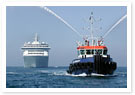
Cruise Jersey
We look forward to welcoming several cruise ships to Jersey’s shores in 2023

Regulation and guidance
Information on the how to bid for unserviceable or abandoned vessels or obstructions, on behalf of the Harbour Master
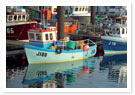
Fishing
Information on commercial fishing, including details on the registration process and safety training required.

Reports and documents
Various reports including public notices, consultations and minutes from Ports user groups meetings